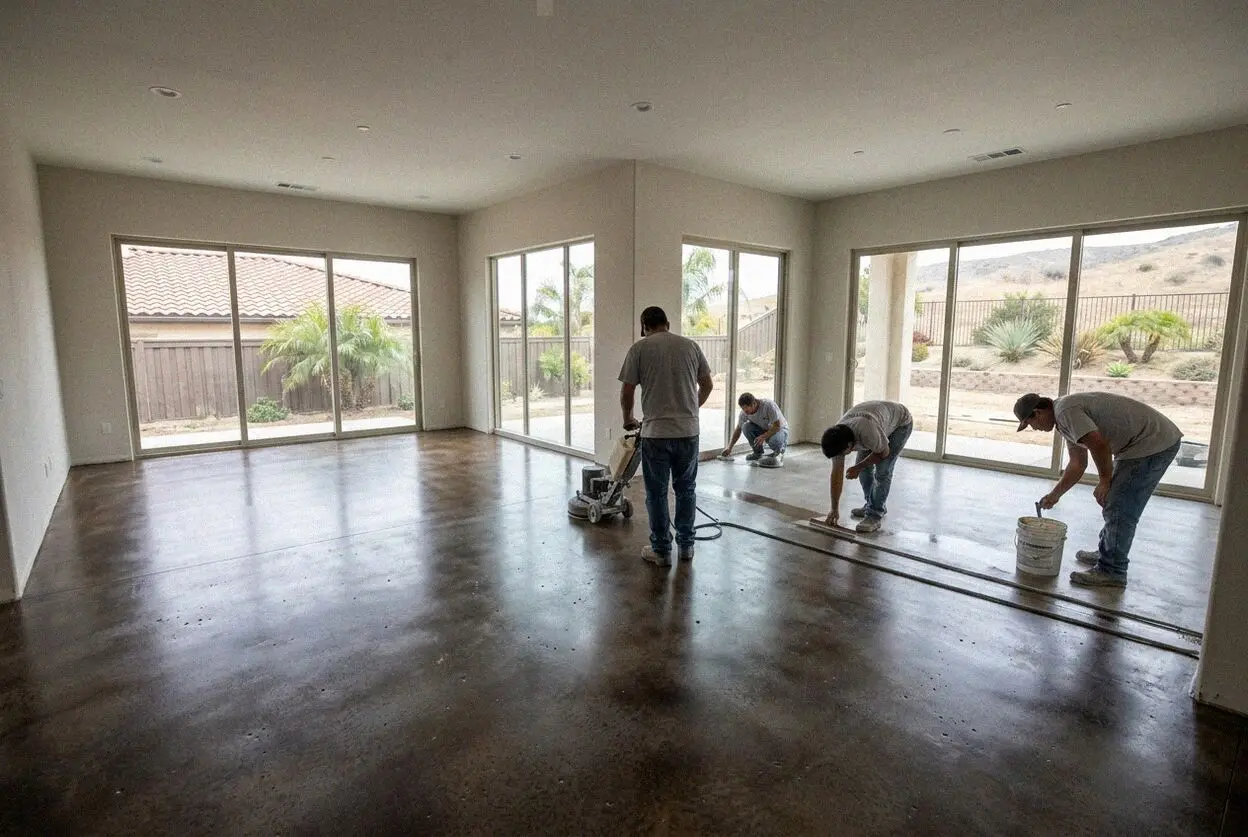
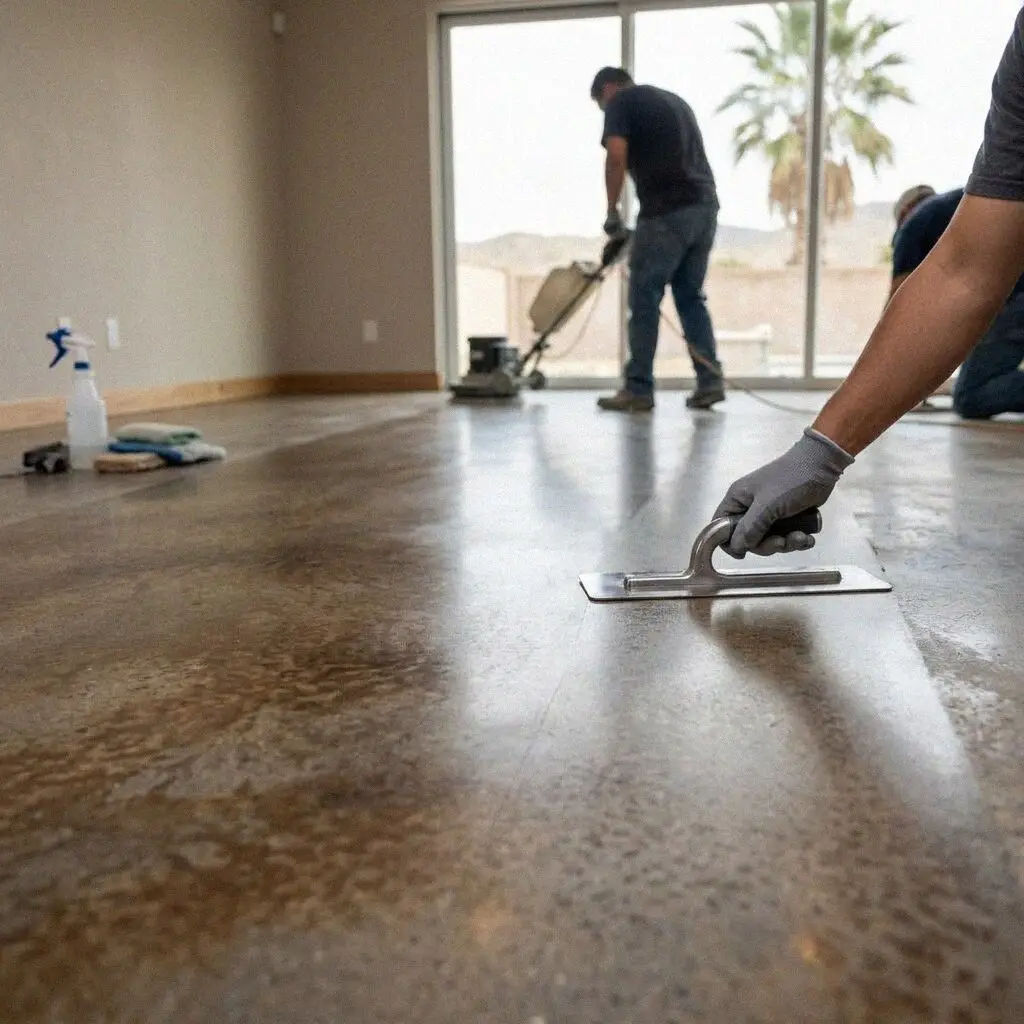
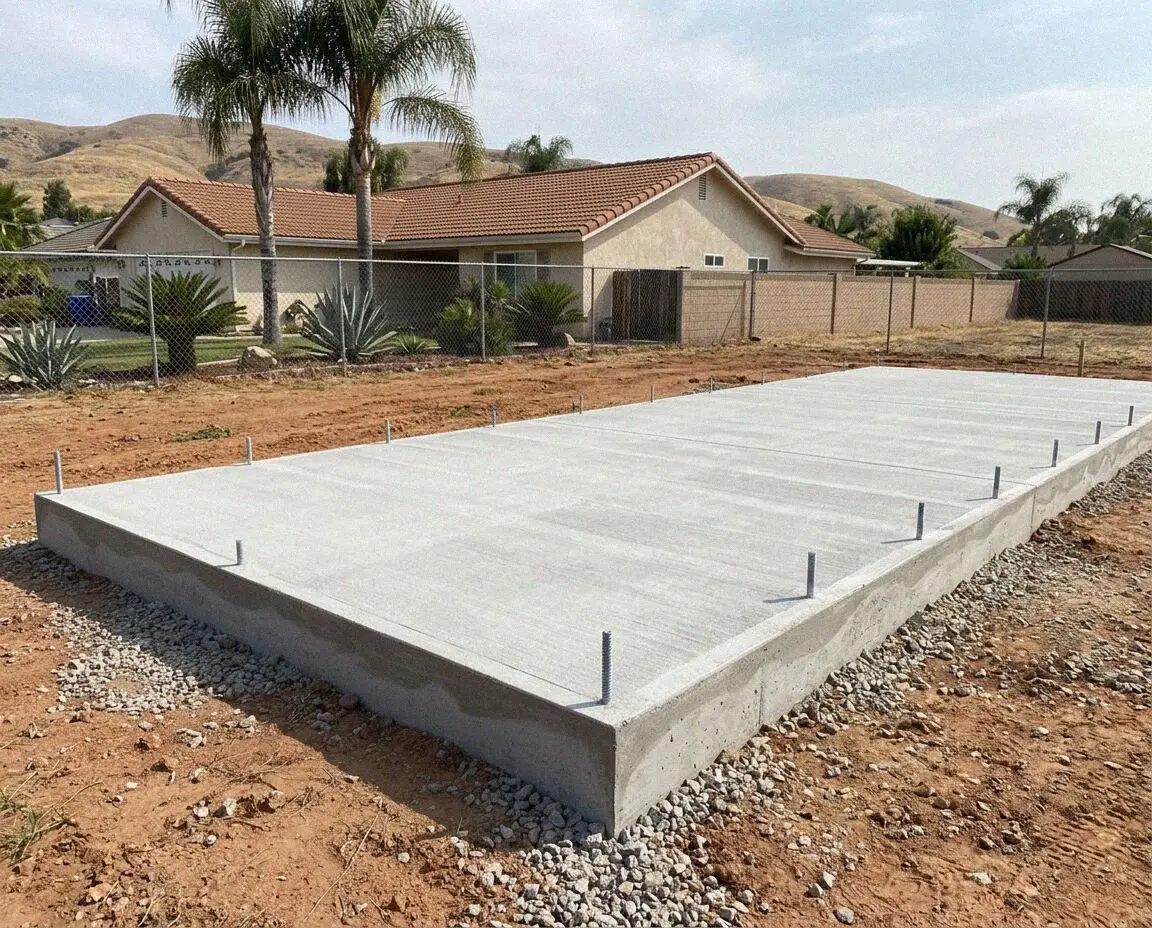
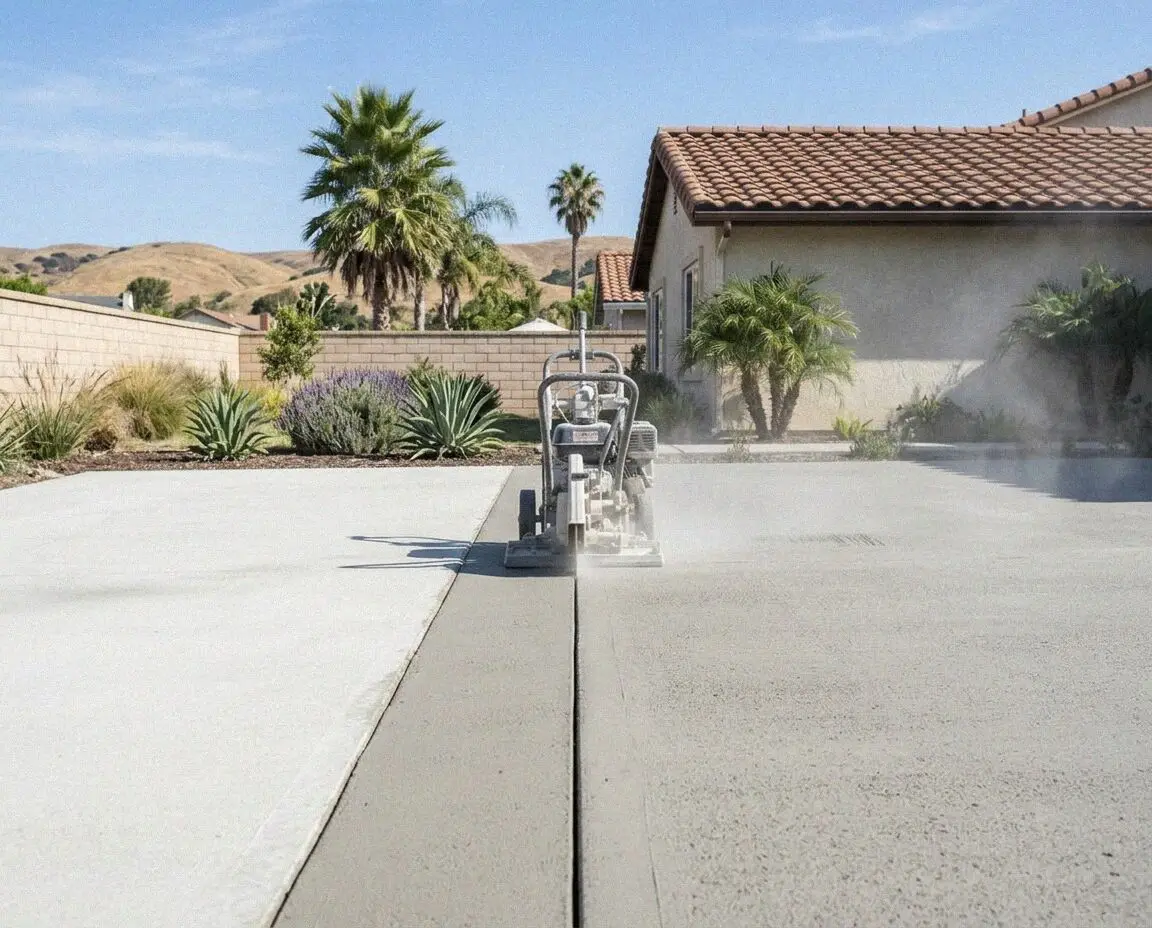
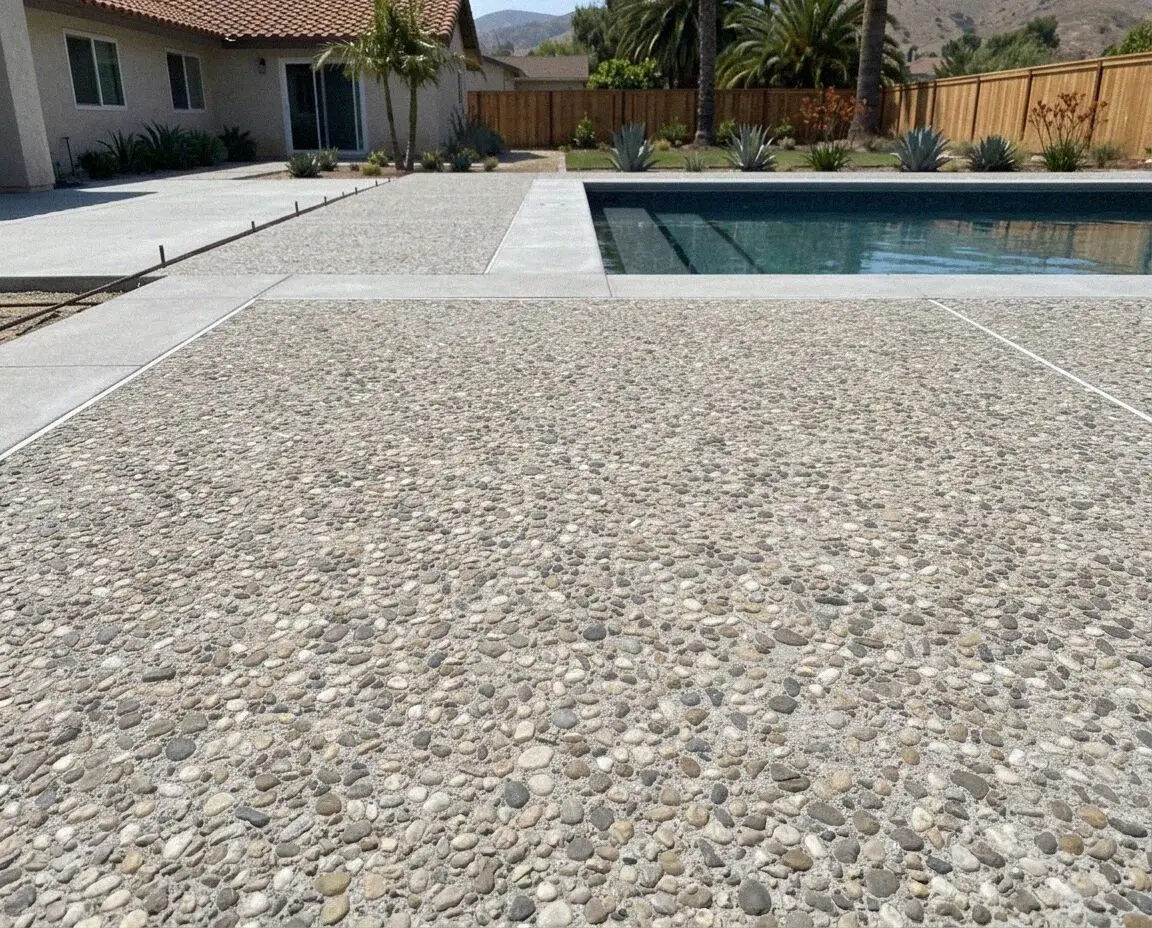
A floor in Costa Mesa is wetted from two directions, and only one of them is the ground. Below it the sand carries moisture up as vapor, which a barrier under the slab stops. Above it the marine layer rolls in most mornings from May to August as air holding more water than a cold slab can keep off its face, and it condenses on the concrete the way it does on a car. No barrier stops that. What stops it is a floor finished dense and sealed, in a room that is heated like a room.
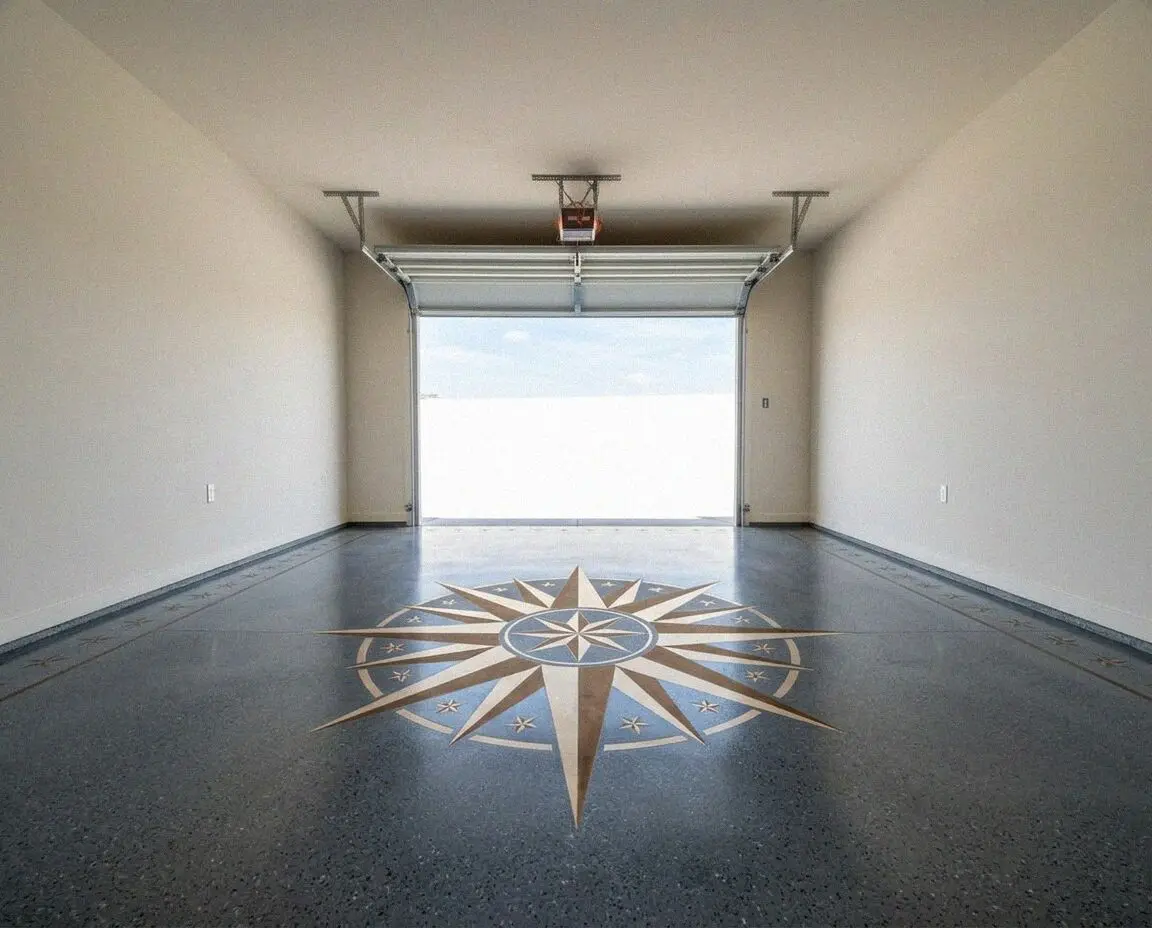
Harbor Costa Mesa Concrete was founded in 2019 by Julian Mercado, after 15 years on crews across coastal Orange County, and he runs the trowel on every indoor pour. The floors asked for here are the garage becoming a rental unit under the state's accessory dwelling law, the studio going up behind a 1950s ranch house, and the shop or workroom in one of the small industrial units on the Westside, where the floor is also the finish and there is nothing to hide a bad one under.
Floors are built to the California Residential Code under CSLB C-8, with liability insurance on every job. A floor inside a building takes a building permit from the City of Costa Mesa, and a garage becoming a dwelling takes the conversion permit with it, so the barrier and the edge insulation are inspected before the truck is called. We file it and meet the inspector. Every floor carries a written workmanship guarantee against defects in how it was built.